


Growth doesn't break products
Unowned UX does
If every new feature starts a debate, patterns drift, and users keep asking for help. This is exactly the kind of problem I solve.
I make UX decisions stick and keep workflows consistent as the product grows.



Victor Purolnik
Founder • Trustshoring
What changes whenI own the product experience
Not a “big redesign.” Clear decisions that stick, so the product stays consistent as it grows.
You stop being the bottleneck on every design call
Every screen, every flow, every edge case ends up on your desk. Instead leading the business, you have to manage the team.
I own the experience end-to-end. You focus on direction, not approving the details.
Trial users start reaching value before they drop off
People sign up, click around, then leave — not because the product is bad, but because it's hard to understand.
Fewer drop-offs from confusion. Users converting because the first experience actually makes sense.
The roadmap stops drifting with every request
One user request turns into a roadmap item. The product starts drifting from what makes it yours.
Decisions that stick. A focused roadmap instead of reacting to every signal.
Features you've already built start getting used
New functionality feels like progress, yet users still struggle with what's already there.
I test the flows before shipping – so what you've built actually gets adopted.
Selected work
Examples of decisions we closed, and the workflows that got clearer because of it
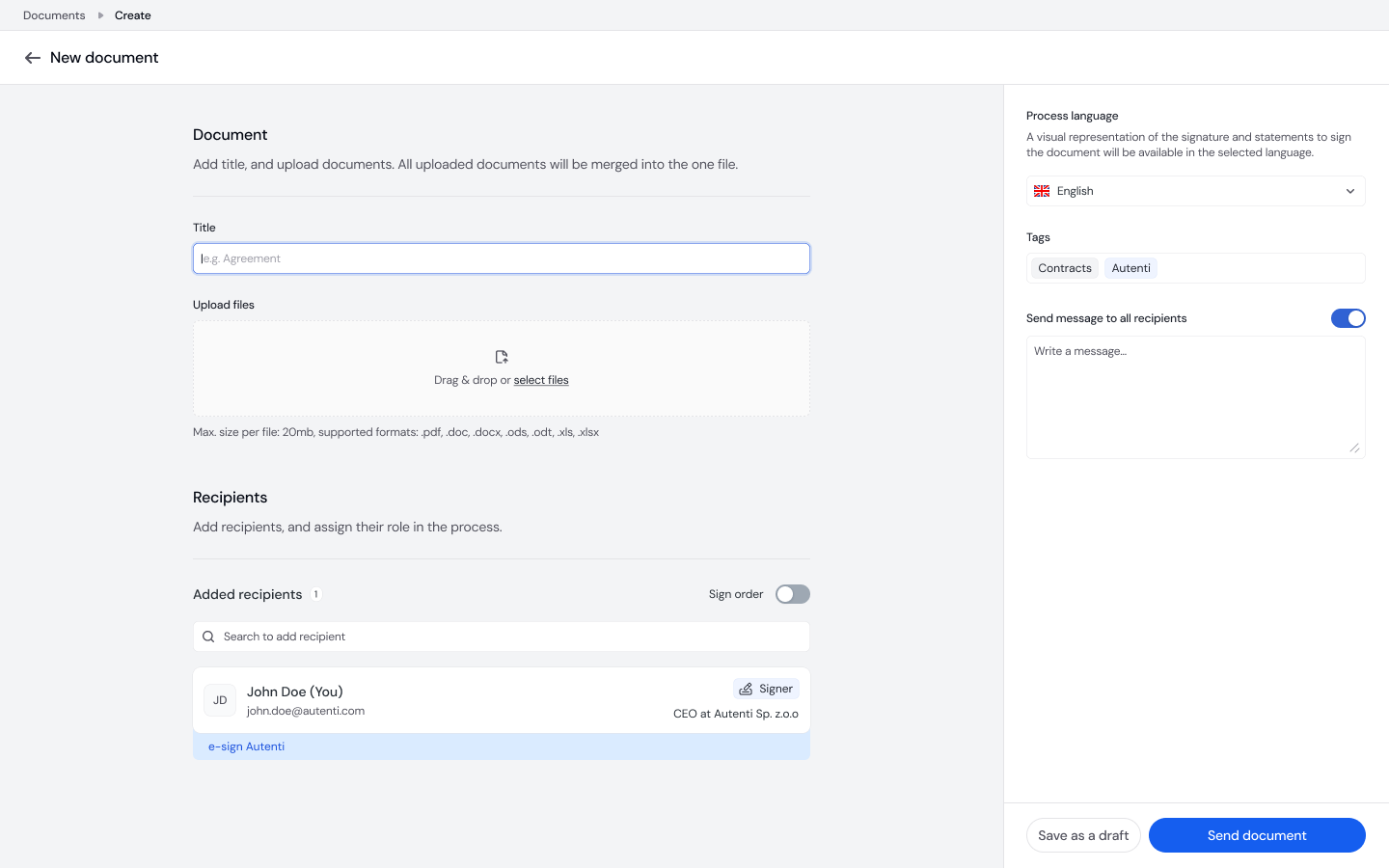
Redesigning the document send flow at Autenti
The send flow was one of Autenti's most-used features — and one of its biggest pain points.
- The form had grown with the product, layer by layer, until it started working against users.
- They got overwhelmed, missed key fields, and didn't understand terminology that was central to the process.
- We tested two competing directions and shipped the one that was measurably faster — without breaking the experience for existing users.
- Task completion rate went up to 90%. Time on task dropped by 30%.
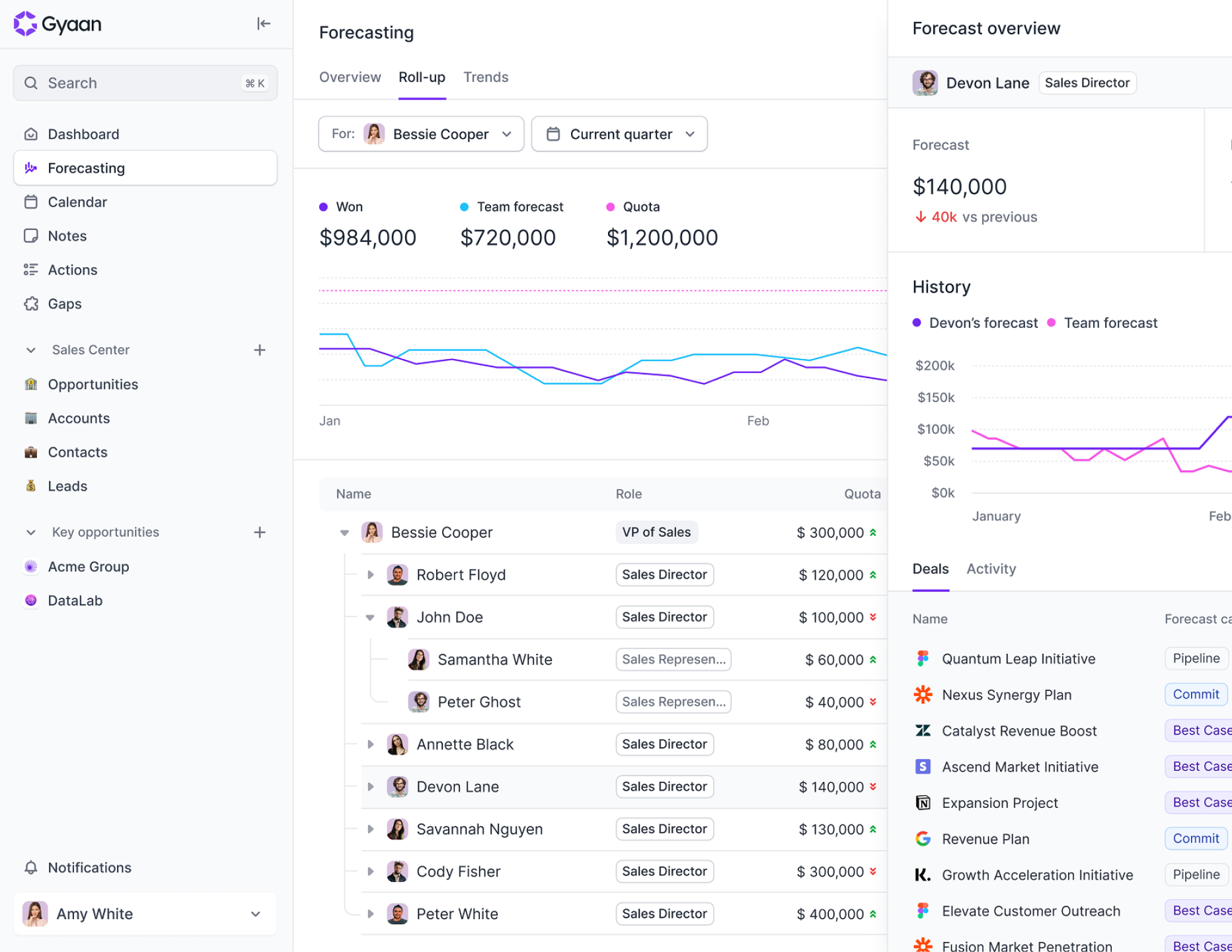
Building a forecasting module that actually fits how sales teams work
Sales teams using MaxIQ had no good way to forecast. Dedicated tools were overkill. Spreadsheets were the fallback.
- The existing process was manual — data pulled from Salesforce, reworked in spreadsheets, with no clean way to capture deal variability.
- Users who'd tried dedicated forecasting tools found them overkill — expensive to set up, hard to adapt, and built for problems they didn't have.
- We built the module from the ground up — pipeline visibility, quota tracking, and deal updates in one place, without the overhead.
- A year after launch, MaxIQ published data showing measurable improvements in forecast accuracy, retention, and expansion revenue across their customer base.
What you get in 30 days
I ship an end-to-end improvement to one key workflow — the kind users notice immediately
Find what matters
Week 1- Map the workflow end-to-end and spot where users hesitate or drop off
- Identify what's actually causing the friction
- Choose the smallest change worth shipping
Design the shippable fix
Weeks 2–3- Explore a few options, then commit to one clear direction
- Design the updated workflow, including key states and edge cases
- Keep decisions documented so they don't reopen mid-build
Ship-ready UI + handoff
Week 4- Finalize UI and interaction details for implementation
- Prepare clear handoff notes so engineering can build without guessing
- Support the build with fast reviews and adjustments as needed
*Scope varies, but the goal stays the same: meaningful progress you can ship
Ways to work together
Embedded Design Leadership
Monthly retainer
I slot into your team's rhythm and own design decisions end-to-end.
What you get:
- 5 days/week, async-first with scheduled working sessions
- One clear focus, decisions documented, progress reviewed weekly
- I drive UX decisions to closure — work doesn't loop
- Tight collaboration with your team during build
Workflow UX Audit
2-week sprint
A short engagement focused on one workflow.
What you get:
- A workflow map showing where the flow breaks and why
- The top friction points and suggested solutions
- The list of concrete fixes
- A recommended direction with trade-offs (what to do now vs later)
- A next-step plan your team can execute (with or without us)
Products can be shipped faster and cheaper than ever.
That's no longer what makes them stand out. What lasts is whether they solve the right problem in a way people can understand, trust, and keep using.
The best products are not shaped in isolation. They're shaped close to the people using them. That's why good product design sits between business and users — helping teams ask harder questions earlier, challenge assumptions, and make decisions based on real needs, not internal opinions or borrowed patterns from the market.
That's the kind of work I believe in.

Jakub Ficek
Founder & Lead Product Designer
Before you ask
The questions that come up on almost every call.